


The History of Cardamom: How it Became the Queen of Spices?
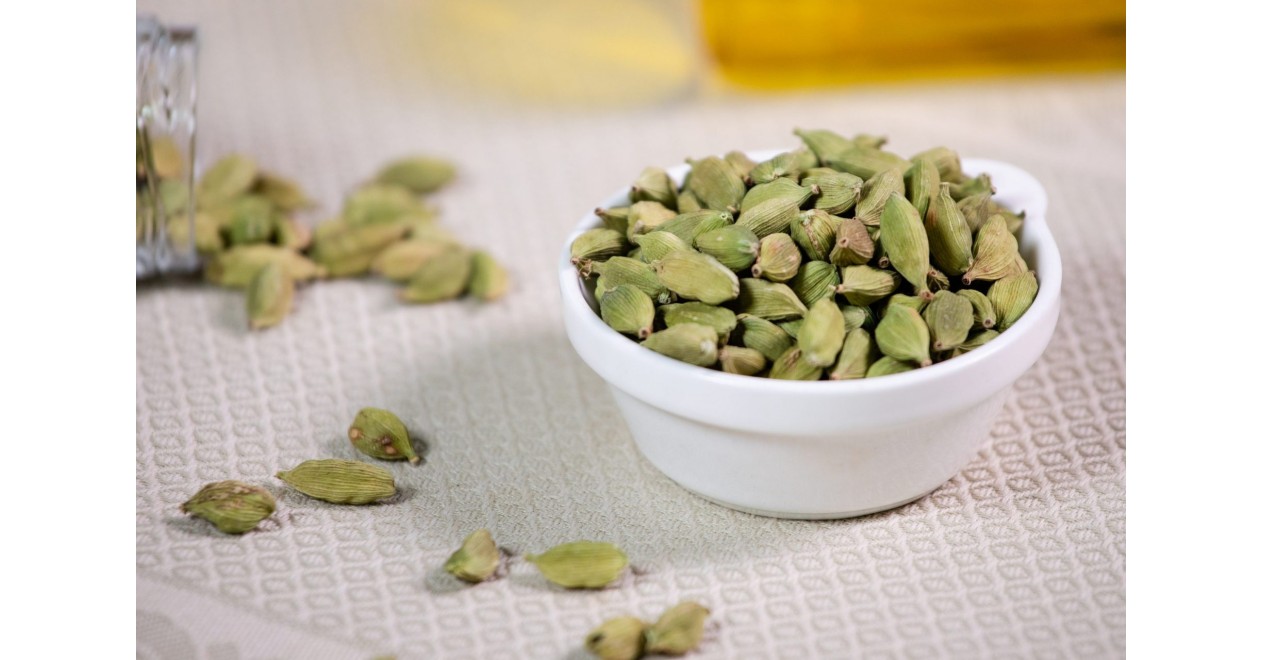
Just like its rich flavor and aroma, cardamom also has a rich history behind it. Cardamom is the magical spice in your kitchen that fits into any kind of dish that you make. Be it savory, sweet, or spicy, the cardamom flavor just blends well with all sorts of delicacies.
The history of cardamom is one of the ways to show how food and spices bind people from different spaces and times.
In this article, we will travel through many engrossing anecdotes about cardamom, from its origin to its cultural importance, through different centuries.
History of Cardamom
Cardamom, “The Queen of Spices,” is one of the oldest and most celebrated spices in the world. It is well known for its distinct flavor, aroma, and medicinal properties.
It is a naturally growing perennial plant in countries like Nepal, Bhutan, and India. Also, some places like Sri Lanka, Tanzania, and Guatemala farm the cardamom plant.
Origin of Cardamom
Ayurveda, the Indian medicine system, mentioned cardamom as a potential herb in its book in 3000 BC. The book depicts that the queen of spices is a cure for a variety of illnesses, including infections, respiratory disorders, and digestive problems.
Cardamom was a frequently used ingredient in traditional Indian cuisine because of its unique taste and aroma. This flavorful spice is indigenous to the Western Ghats woods in southern India, where it grows naturally under the protection of trees.
In the 16th century, the Portuguese introduced cardamom in India. Right after the arrival of cardamom, its usage expanded throughout India.
The spice was used in many different recipes, including curries and biryanis, and quickly gained popularity in Indian cooking.
Due to its favorable temperature and soil, the South Indian state of Kerala became India’s trade hub for cardamom.
Some historians also conclude that cardamom also held massive significance in the Sri Lankan culinary arts.
Also, the Egyptians used cardamom in the embalming process, where it first became popular as a spice. The Egyptians would prepare their deceased for the afterlife because they thought it could purify and preserve the body.
Role of Cardamom in the Spice Trade
At the time of the Arabs in the Middle Ages, cardamom was growing as one of the most expensive spices in the world. During the Middle Ages, Arab traders dominated the spice trade and were in charge of the caravan routes that connected Asia and Europe.
In those days, cardamom was in such high demand that some people would even use it as a sort of currency. Hence, the flavorful spice would also be used as a means of paying taxes and rent.
Cities like Mecca, Damascus, and Baghdad grew exponentially in terms of trade and made a great fortune for themselves.
The arrival of the “Queen Spice” in Europe
The historians of Europe claim that cardamom traveled to Europe via Venice, where the Arabs traded it. Its popularity skyrocketed during the Renaissance period. During this time, cardamom was highly valued for its medicinal and culinary properties.
It was used to flavour pastries, cakes, and other kinds of sweetmeats. It was also believed that cardamom might alleviate respiratory issues and help with digestion when taken as medicine.
The Portuguese first introduced cardamom to the rest of Europe. Interestingly, they were the first people to plant cardamom in India.
Later they began exporting it in great quantities to Europe. To secure their supplies of cardamom and other spices, the Dutch, British, and French quickly established their trading posts in India and other regions of Asia.
During the 17th century, it was a popular ingredient in northern European cuisines - especially in Scandinavia.
They used use cardamom in coffee as well as classic foods like meatballs, sausages, and fish soups. Also, the Swedish Cardamom buns, also known as kardemummabullar, are a well-liked confection in Sweden.
Are you aware of the health benefits associated with black and green cardamom? Explore our dedicated page to learn about the potential advantages of these spices for your well-being.
The Significance of Cardamom in Ancient Cultures
Not only in the Arab world and India, but cardamom has a wide range of uses in different ancient cultures:
In Nepal: The cultivation of cardamom started in Nepal in the 19th century. The Rana dynasty began planting cardamom to generate revenue.
The first plantations transpired in eastern Nepal's Ilam district, where the climate and soil were perfect for growing cardamom. Cardamom cultivation eventually spread to other parts of Nepal, such as Dhankuta, Panchthar, and Taplejung.
Since it offered a consistent source of income, cardamom swiftly rose to prominence among Nepalese farmers' main crops.
With an estimated 4,000 metric tons of annual production, Nepal is currently one of the major cardamom producers in the world.
Cardamom also had a great influence on the Nepalese culinary culture. It is a crucial ingredient in many classic recipes like momos (dumplings), chai tea, and garam masala spice blends.
In Traditional Chinese Medicine Culture: Cardamom was used in traditional Chinese medicine to cure several ailments, such as nausea, vomiting, and stomachaches. Moreover, it was used to treat respiratory problems and chest pain.
Cardamom was thought to warm the body and assist in controlling the flow of qi, or life force. In Chinese culture, people would frequently mix it with other energizing plants like ginger and cinnamon for better digestion and increased blood flow.
In Chinese medicine, cardamom was also believed to be a treatment for respiratory conditions like coughs, bronchitis, and asthma.
It is said to have an expectorant effect, assisting with the release and expulsion of phlegm from the lungs.
Also, it has vital significance in traditional Chinese tea ceremonies. Therefore, it was also one of the essential ingredients in Moroccan mint tea.
In Ancient Greece: The usage of Cardamom commenced in Greece after the Hellenistic era, which started in the late 4th century BC. Although cardamom is not the native spice of Greece, Greeks were fascinated by its taste and aroma.
As a result, they began using cardamom right away in both their cooking and healing. Also, the benefits of cardamom were popular among the Greeks.
In his first-century AD book De Materia Medica, the Greek physician Dioscorides discussed the therapeutic benefits of cardamom.
He suggested cardamom as a treatment for a variety of illnesses, such as infections, coughing, and stomach issues.
In ancient Greece, cardamom was also used to flavor wine and other liquids. As the Greeks thought cardamom had sensual qualities, they frequently used it in beverages given at banquets and other special occasions. Also, they used it to flavor slices of bread, pastries, and other baked foods.
The Greeks would also use cardamom for religious purposes by using it as an element in incense for religious rites and rituals.
In ancient Greece, cardamom was a priceless and exotic spice that was used as a symbol of luxury and sophistication. Since it was expensive and frequently imported from faraway places, only the wealthy and elite could afford to consume it.
In Ancient Rome, cardamom was a costly and exotic spice that was primarily imported from India and the Middle East. However, it had some applications in Roman food and medicine.
The Romans would use cardamom to make pastries and other sweet meals. It was frequently used with other spices, such as cinnamon and nutmeg, to make rich and complex mixtures.
Not to mention, it also worked wonders in the medicinal aspects for the Roman people. They would timely use it to care for illnesses related to their gut or respiratory system.
Furthermore, it also found its way into beauty products like body fragrances and beauty cosmetics.
Final Thoughts
The future of cardamom looks bright and promising, as it is one of the most sought-after spices in the culinary world. Not only has it risen to prominence in food and beverages, but also in beauty products and perfumes.
Enjoying a warm cup of tea in the cosiness of your home can keep you in a sweet mood. If you love a cup of oolong milk tea. But you are someone who despises the idea of going out to a tea house full of strangers.